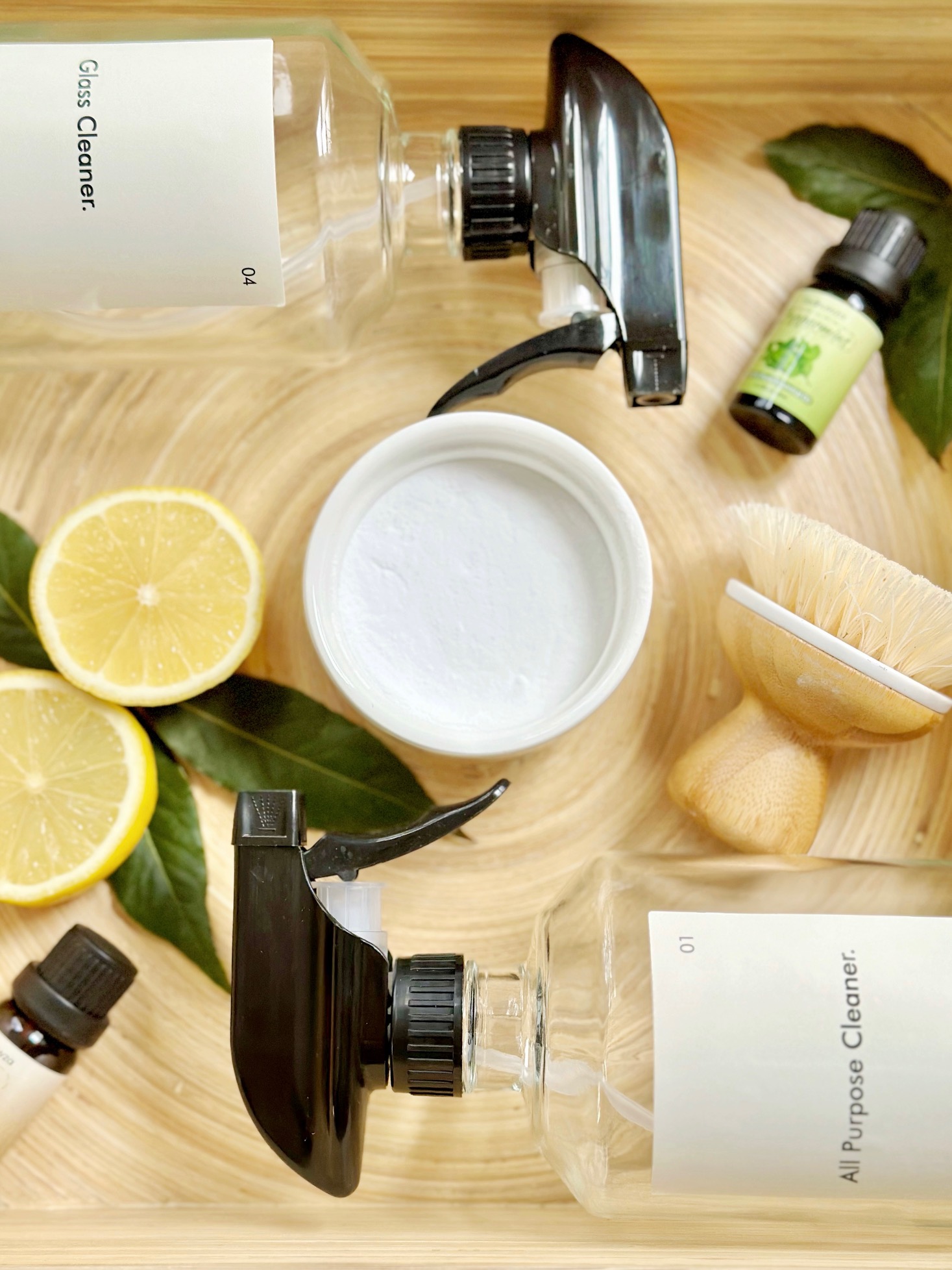
Last year, I decided to read the ingredient labels on my cleaning products. Really read them—researching what each ingredient was and what it did. I won't lie: it was an unsettling experience.
That research sent me on a journey to discover whether I could actually keep my home clean using simpler, more natural methods. The answer, I'm happy to report, is yes. My home is cleaner than it was before, it smells better, and I no longer worry about what's lingering on my countertops where I prepare food.
A Brief History of Cleaning (It's More Interesting Than You'd Think)
From Ashes to Atoms
Humans have been cleaning their living spaces for millennia, using whatever materials were available. The ancient Babylonians created the first soap around 2800 BC by mixing animal fats with wood ash. It wasn't pretty, but it worked.
The Romans were remarkably sophisticated in their approach to sanitation. They built elaborate sewer systems, used ammonia (yes, from urine—let's just move past that) to clean clothes, and understood the importance of clean water for health.
The Middle Ages: A Step Backward
Interestingly, the Middle Ages saw a decline in hygiene practices. People used herbs and fragrances not to clean, but to mask odors. The phrase "tossing herbs" on floors comes from this era—rushes and herbs would be scattered to cover up the smell of what was accumulating beneath.
The Industrial Revolution Changes Everything
The 1800s brought the mass production of soap, and by the mid-20th century, we had synthetic detergents, bleach, and all manner of chemical cleaning products. These were marketed as progress—and in many ways, they were. But we're now learning that progress came with costs we didn't anticipate.
Why Go Natural?
I'm not here to scare anyone. But here's why I made the switch:
Many conventional cleaning products contain compounds that can irritate airways, aggravate allergies, and linger on surfaces long after you've finished cleaning. Some have been linked to more serious health concerns.
Environmentally, many cleaning chemicals don't break down easily. They go down our drains and into our water systems.
And practically speaking: natural cleaners actually work. The active ingredients—vinegar, citrus, tea tree oil—have genuine antimicrobial properties. We're not sacrificing effectiveness for safety.
My Favorite Natural Cleaning Recipes
These are the recipes that have replaced every commercial cleaner in my home.
All-Purpose Citrus Cleaner
This is probably my most-used cleaner. It works on counters, appliances, tile, and most hard surfaces. Plus, it uses citrus peels that would otherwise be thrown away.
What You'll Need:
- Peels from 2-3 citrus fruits (orange, lemon, grapefruit, lime—or a mix)
- White vinegar
- A glass jar
- Water
How to Make It:
Pack the citrus peels into a glass jar and cover completely with white vinegar. Seal the jar and let it sit in a cool, dark place for 2-3 weeks. The longer you wait, the more citrus oils will infuse into the vinegar.
After infusing, strain out the peels. Pour the citrus vinegar into a spray bottle and dilute with equal parts water. That's it.
The citrus oils add cleaning power and a lovely fresh scent, while the vinegar cuts through grease and has natural disinfecting properties. I keep a bottle on my kitchen counter at all times.
Bathroom Disinfectant with Tea Tree Oil
Bathrooms need something a bit stronger, and tea tree oil delivers. It's one of nature's most effective antimicrobials.
What You'll Need:
- 1 cup water
- 1/2 cup white vinegar
- 15-20 drops tea tree essential oil
How to Make It:
Combine everything in a spray bottle and shake well. Spray liberally on bathroom surfaces—sinks, counters, toilet, tub—let sit for a few minutes, then wipe clean.
The tea tree scent is distinctive (some people love it, others need to get used to it), but it dissipates quickly and leaves surfaces genuinely clean.
Streak-Free Glass Cleaner
This recipe took me several tries to perfect, but now my windows have never looked better.
What You'll Need:
- 1 cup distilled water (regular water can leave mineral spots)
- 1 cup white vinegar
- 1/4 cup rubbing alcohol (70%)
How to Make It:
Combine in a spray bottle. Spray on glass surfaces and wipe with a microfiber cloth or newspaper (the newspaper trick really works—something about the ink helps with streaks).
The alcohol helps the solution evaporate quickly, which is key to avoiding streaks.
Natural Air Freshener Spray
I can't stand synthetic air fresheners—they give me headaches. This natural version actually freshens the air rather than just covering up odors.
What You'll Need:
- 1 cup distilled water
- 1 tablespoon baking soda
- 10-15 drops of your favorite essential oil (lavender for calming, peppermint for energizing, lemon for freshness)
How to Make It:
Mix the baking soda with the essential oil in a small bowl. Add to a spray bottle with the water. Shake until the baking soda dissolves. Shake before each use.
The baking soda actually neutralizes odors rather than masking them, while the essential oils add a pleasant, natural fragrance.
Important Safety Notes
Natural doesn't mean worry-free. A few cautions:
NEVER mix vinegar with bleach or hydrogen peroxide. The chemical reactions produce dangerous gases.
Label all your DIY products clearly, including ingredients and date made.
Keep away from children and pets, just as you would any cleaning product.
Vinegar can damage natural stone surfaces like marble or granite—use the tea tree cleaner or plain water instead.
Final Thoughts
Switching to natural cleaning products was one of those changes that seemed small but ended up feeling significant. My home smells better. I feel better knowing what I'm exposing my family to. And there's something satisfying about making my own products from simple ingredients.
You don't have to throw out everything under your sink today. Maybe start with one recipe—the all-purpose cleaner is a great first step—and see how it goes. I think you'll be pleasantly surprised.