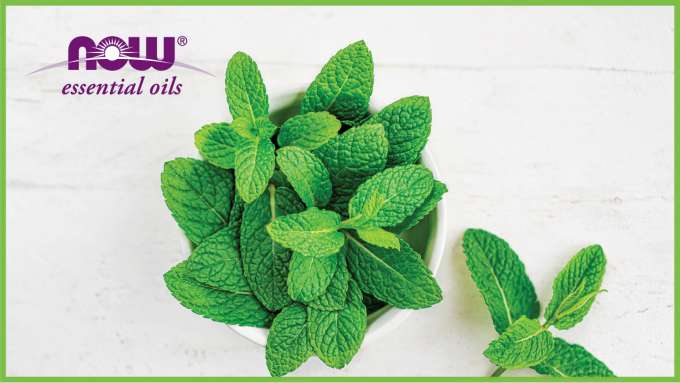
I'll never forget the first time peppermint oil really amazed me. I was dealing with a tension headache that just wouldn't quit—the kind that settles behind your eyes and makes everything feel slightly too bright. A friend handed me a small roller bottle and told me to dab some on my temples. Within minutes, I felt the tension begin to release. It was like someone had turned down the volume on my pain.
That experience sent me down a rabbit hole of research about this remarkable plant, and what I discovered was a history even more fascinating than I'd imagined.
Peppermint's Ancient Roots
Here's something that surprised me: peppermint as we know it is actually a natural hybrid of watermint and spearmint. But various mint species have been used medicinally for at least 3,500 years.
From the Ebers Papyrus to Greek Mythology
The ancient Egyptians documented mint's healing properties in the Ebers Papyrus around 1550 BC, one of the oldest and most important medical texts we've discovered. They used it primarily for calming upset stomachs—a use that holds up remarkably well today.
The Greeks had their own relationship with mint, wrapped up in mythology. According to legend, Minthe was a beautiful nymph who caught the attention of Hades, god of the underworld. His jealous wife Persephone transformed Minthe into a humble plant. But Hades, still caring for her, gave the plant its sweet, intoxicating fragrance so that she would be cherished forever.
Romans were practical people, and they had practical uses for mint: flavoring their wines, scenting their baths, and supporting digestion after their famous feasts. The physician Pliny the Elder recorded that mint "stirs up the mind and appetite," which matches exactly what modern research tells us about peppermint's stimulating effects.
A Curious Warning from Aristotle
Here's a historical tidbit that makes me smile: Aristotle advised soldiers not to consume mint before battle because he believed it was an aphrodisiac that would distract them from fighting. I'm not sure the science supports this particular concern, but it does speak to how powerful people believed mint to be.
Europe Discovers Peppermint's Virtues
By the 1600s, European herbalists had become enthusiastic about mint's medicinal potential. Nicholas Culpeper, whose herbal remedies were popular throughout England, claimed mint could treat over forty different ailments. Around the same time, physician Tobias Venner wrote that mint's fragrance "doth greatly comfort the braine and spirits"—a sentiment I completely agree with when I'm struggling through an afternoon slump.
The Science of That Cooling Sensation
So why does peppermint feel cool, even when it's at room temperature? The answer lies in its primary active compound: menthol.
Menthol activates cold-sensitive receptors in your skin and mucous membranes—the same receptors that would fire if you touched something cold. Your brain interprets this as a cooling sensation, even though there's no actual temperature change. It's a delightful trick of chemistry.
But menthol does much more than create that tingle:
For Digestive Comfort: Peppermint relaxes the smooth muscles of the digestive tract, which is why peppermint tea after a heavy meal feels so soothing. Multiple studies support its use for occasional indigestion and bloating.
For Tension Headaches: Applied topically (always diluted!), peppermint oil increases blood flow and provides that cooling sensation that seems to interrupt pain signals. I've found it works best at the very first twinge of a headache.
For Breathing Easier: That cooling menthol helps open up airways and can make breathing feel easier when you're congested. This is why so many chest rubs contain menthol or camphor.
For Mental Clarity: Peppermint's sharp, invigorating scent has been shown in studies to improve alertness and concentration. I diffuse it in my office when I need to power through a complicated project.
Simple Peppermint Recipes
These are the peppermint preparations I find myself making over and over.
Fresh Peppermint Tea
Sometimes the simplest remedies are the most satisfying. Fresh mint tea after dinner has become a ritual in my house.
What You'll Need:
- About 1 tablespoon fresh peppermint leaves (or 1 teaspoon dried)
- 8 ounces of hot water (just off the boil)
How to Make It:
Place the leaves in your favorite mug, pour the hot water over them, and let it steep for 5-7 minutes. The longer you steep, the stronger the flavor. Strain out the leaves and enjoy. I like mine plain, but a small drizzle of honey is lovely too.
Tension Headache Relief Roll-On
This is my go-to for tension headaches, and I've converted several skeptical friends with it.
What You'll Need:
- 10 ml of your preferred carrier oil (I like fractionated coconut oil)
- 5-7 drops peppermint essential oil
How to Make It:
Add the peppermint oil to a 10 ml roll-on bottle, then fill with carrier oil. Cap and shake gently. At the first sign of tension, roll onto temples, the base of your skull, and across the back of your neck and shoulders. The cooling sensation combined with the aromatic benefits usually provides noticeable relief.
Important: Keep away from your eyes—that menthol tingle is not pleasant near sensitive areas!
Wake-Up Room Spray
Perfect for mornings when coffee isn't cutting it, or for refreshing a stuffy room.
What You'll Need:
- 2 ounces distilled water
- 2 ounces witch hazel
- 15-20 drops peppermint essential oil
How to Make It:
Combine everything in a spray bottle and shake well. Give it a good shake before each use (oil and water like to separate). A few spritzes in your workspace can genuinely help you feel more alert.
Safety Notes
Peppermint is wonderful, but it's also potent. A few cautions I've learned:
Always dilute before applying to skin. That cooling sensation can become burning irritation if you use it undiluted.
Keep away from the face of infants and young children. The menthol can potentially cause breathing difficulties in little ones.
If you have GERD or acid reflux, use peppermint with caution—it can relax the esophageal sphincter and potentially worsen symptoms.
And as always, if you're pregnant, nursing, or taking medications, check with your healthcare provider before using essential oils.
Final Thoughts
From Egyptian physicians to Greek poets to modern researchers, humans have been captivated by peppermint's power for thousands of years. There's something wonderful about knowing that when I reach for my peppermint oil, I'm participating in a tradition that stretches back to the very beginnings of recorded medicine.
Whether you're brewing a cup of tea, applying a headache blend, or simply enjoying the invigorating scent, peppermint offers a direct connection to our botanical heritage—and to the wisdom of all those who came before us.