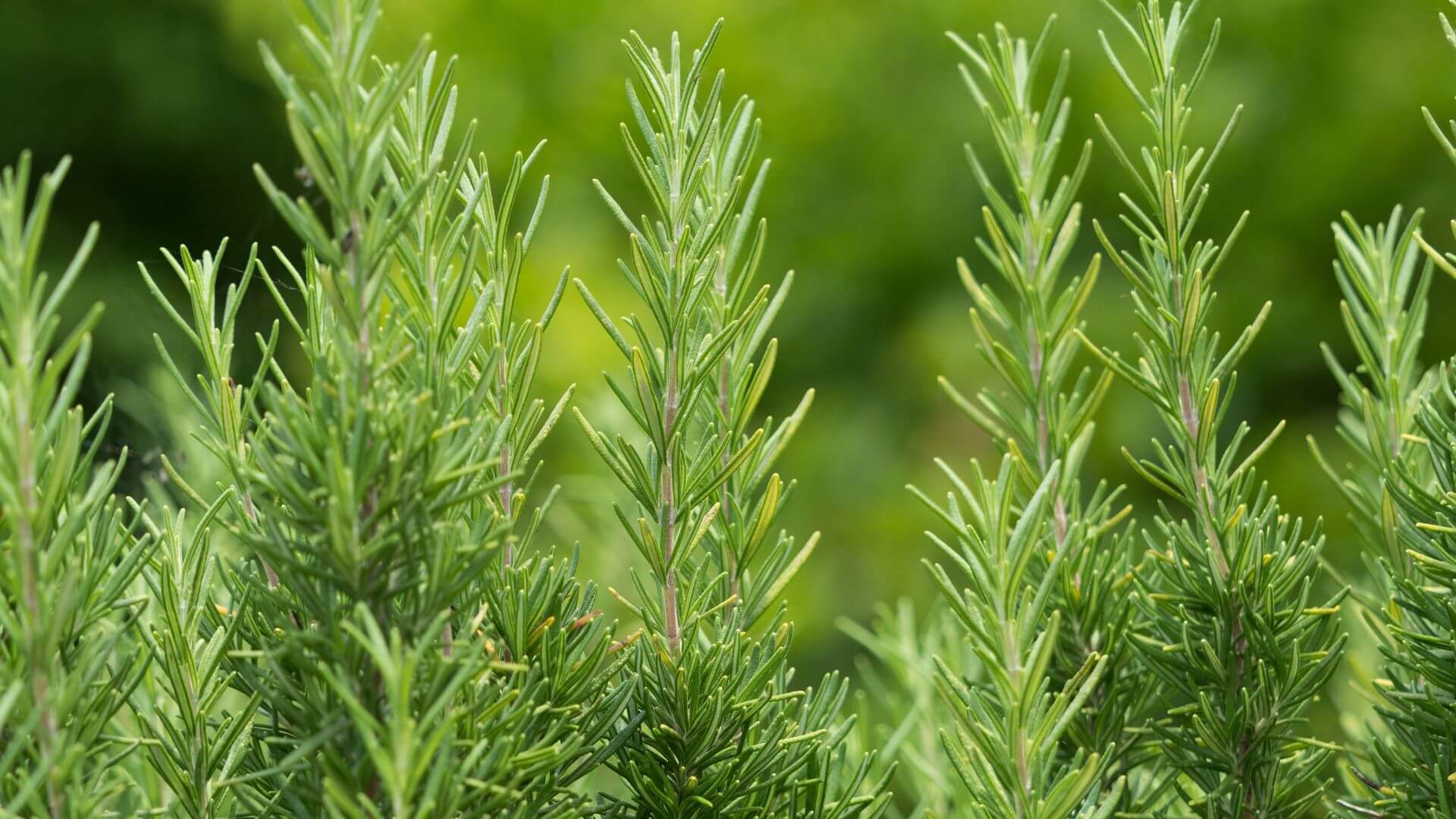
"There's rosemary, that's for remembrance." When Shakespeare wrote those words in Hamlet, he was drawing on a belief that was already ancient—that this fragrant, needle-leaved herb somehow enhances our ability to think, remember, and learn.
I first became fascinated with rosemary when I learned that Greek students used to weave it into their hair while studying for exams. The image stuck with me: young scholars sitting in sun-dappled courtyards, the scent of rosemary rising from their garlands as they committed philosophy and mathematics to memory.
Was this just superstition? Or were they onto something that modern science is only now beginning to understand?
A Plant Intertwined with Memory
Ancient Scholars and Their Fragrant Secret
In both ancient Greece and Rome, rosemary was deeply associated with mental acuity. Students and scholars didn't just use it occasionally—they actively sought it out when intellectual performance mattered. They wore rosemary wreaths during examinations, burned rosemary incense while studying, and believed the herb could literally "strengthen the brain."
The physician Dioscorides, whose medical texts influenced Western medicine for over 1,500 years, wrote that rosemary could "warm the brain" and promote mental clarity. It wasn't just folk belief—it was established medical practice.
Rosemary and the Departed
Beyond studying, rosemary played a profound role in how ancient peoples thought about memory itself. At funerals, mourners would carry rosemary sprigs and toss them into graves—not because of the scent, but as a symbol of remembrance. They were saying, "We will not forget you."
This dual association—with both living memory and commemoration of the dead—speaks to how deeply this herb was woven into human consciousness.
What Modern Science Has Discovered
Here's where it gets really interesting. Modern researchers have begun to investigate rosemary's effects on cognition, and the results are genuinely compelling.
The Chemistry of Clarity
The primary compound responsible for rosemary's cognitive effects appears to be 1,8-cineole (also called eucalyptol). When you inhale rosemary's aroma, 1,8-cineole enters your bloodstream and crosses the blood-brain barrier.
Once there, it seems to inhibit an enzyme that breaks down acetylcholine—a neurotransmitter that's absolutely crucial for learning and memory. In simple terms: rosemary may help keep your brain's "memory chemical" active longer.
Studies at Northumbria University found that people who worked in a room scented with rosemary performed significantly better on memory tests than those in an unscented room. Even more intriguingly, blood tests showed higher levels of 1,8-cineole in participants who performed better.
Carnosic Acid: Protection for Your Brain
Rosemary also contains carnosic acid, a powerful antioxidant that appears to protect brain cells from oxidative stress—the cellular damage associated with aging and neurodegenerative conditions. While more research is needed, this suggests rosemary might support long-term brain health, not just immediate performance.
Better Blood Flow
Rosemary is also known to improve circulation. Better blood flow means more oxygen and nutrients reaching your brain—which may be another mechanism behind those cognitive benefits the ancients observed.
How I Use Rosemary for Brain Health
After all this research, rosemary has become a regular part of my life. Here are the preparations I've found most helpful:
Rosemary and Lemon Focus Tea
This has become my morning ritual when I have important work to do. The rosemary provides that cognitive support, while the lemon adds brightness and a touch of vitamin C.
What You'll Need:
- 1 sprig of fresh rosemary (or 1 teaspoon dried)
- 1 slice of fresh lemon
- 1 cup of hot water
- Honey to taste (optional)
How to Make It:
Place the rosemary and lemon in your mug. Pour hot water over them and let it steep for 5-10 minutes—longer steeping means stronger flavor. Remove the rosemary sprig before drinking (it can be a bit twiggy). I like mine without sweetener, but a small drizzle of honey is lovely.
Memory Support Aromatherapy Roll-On
I keep this on my desk and use it whenever I need to concentrate. The combination of rosemary, basil, and lemon creates an uplifting, clarifying blend.
What You'll Need:
- 10 ml jojoba oil
- 3 drops rosemary essential oil
- 2 drops sweet basil essential oil
- 1 drop lemon essential oil
How to Make It:
Add the essential oils to a 10 ml roll-on bottle, then fill with jojoba oil. Cap and shake gently. Roll onto your neck, temples, or wrists when you need to focus. I find it especially helpful during long writing sessions or when tackling complex problems.
Homemade Rosemary Tincture
This takes some patience, but it's a beautiful way to preserve rosemary's benefits in a concentrated form.
What You'll Need:
- 1 cup fresh rosemary leaves (loosely packed)
- 2 cups 80-100 proof vodka
How to Make It:
Place the rosemary in a clean glass jar and cover completely with vodka. Seal tightly and store in a cool, dark place for 4-6 weeks, shaking the jar every few days. After the infusion period, strain through cheesecloth into a dark glass dropper bottle.
The traditional dose is 10-30 drops diluted in water or juice, taken once or twice daily. As with any herbal preparation, start with a smaller amount and see how your body responds.
Important Cautions
Rosemary is generally very safe in culinary amounts, but concentrated preparations require some awareness:
Avoid high doses during pregnancy, as rosemary may affect uterine activity.
If you have epilepsy, use rosemary essential oil with caution—high doses of camphor (present in some rosemary varieties) may be problematic.
Rosemary may interact with blood thinners and some blood pressure medications. If you're on any medications, chat with your healthcare provider before using concentrated rosemary preparations.
Closing Thoughts
Those Greek students, with their rosemary garlands and their faith in the herb's power—they didn't have brain scans or blood tests or controlled studies. They just observed, experimented, and passed down what they learned.
Thousands of years later, modern science is confirming what they knew intuitively: there's something special about this aromatic herb.
Whether you're sipping rosemary tea, inhaling its scent while you work, or simply brushing past a rosemary bush in your garden, you're connecting with millennia of human experience. You're participating in an ancient tradition of seeking mental clarity through the gifts of the natural world.
That's for remembrance, indeed.